The News Hike Pets WOpet Cube Lite Automatic Pet Feeder

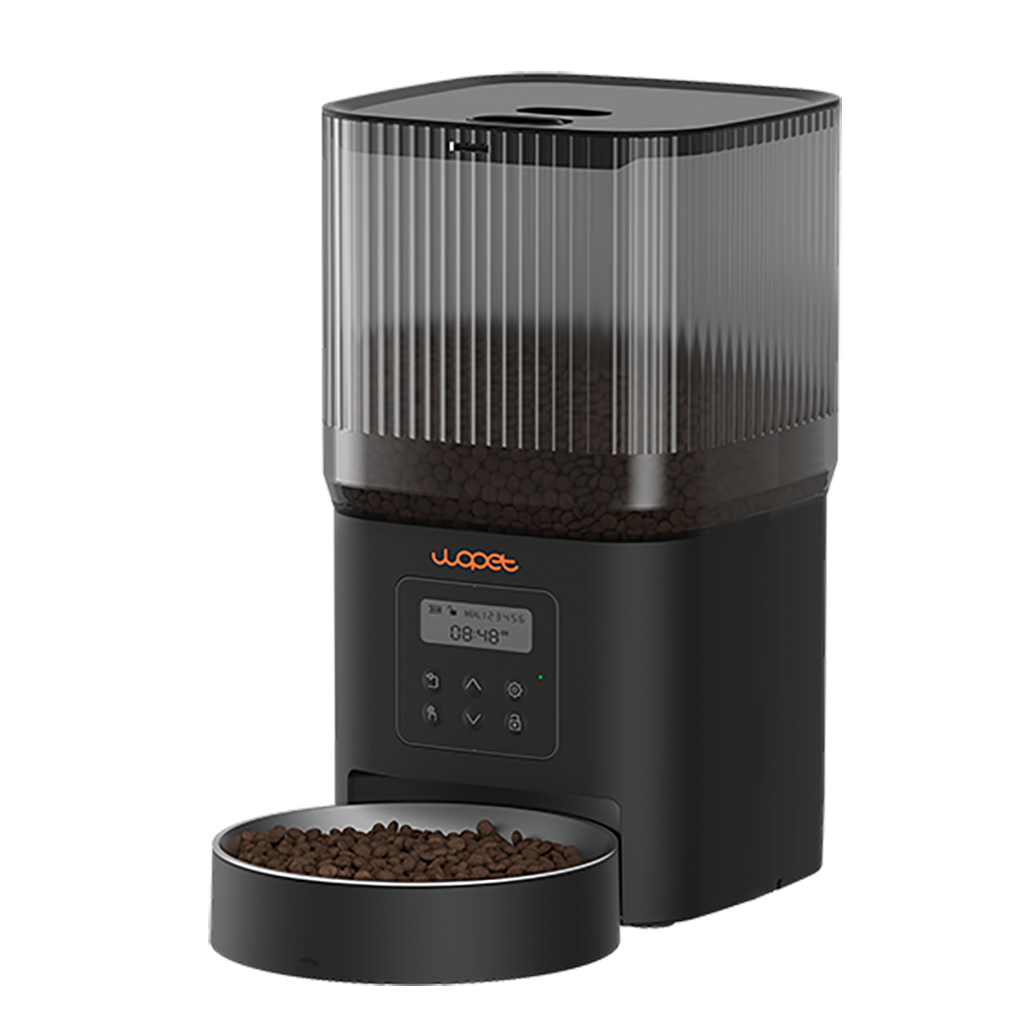
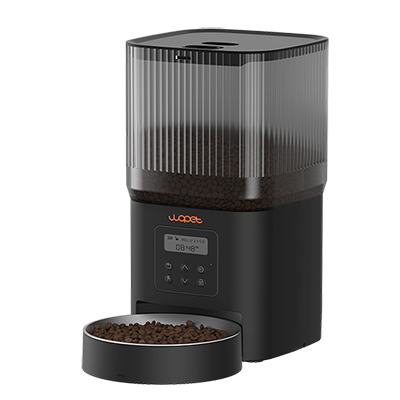
WOpet Cube Lite Automatic Pet Feeder

Feature

Food Tank Capacity

Meal Range

Portions Range

Allowed Kibble Size

540a289420a1c71ddfc726412dda9b43.png

Cube Lite Automatic Pet Feeder-CL11

$39.99

(Current Model)

Basic

4L

1-6 Meals

1-8 Portions

2-12mm

4a048b1340b0fb2fe6eb4155e67bdbab.png

Cube Air WiFi Pet Feeder-CA10

$49.99

Learn More

App Control

4L

1-10 Meals

1-8 Portions

2-12mm

About WOPET CL11

Accurate Feeding Schedule: WOPET automatic cat feeder makes your life easier and more convenient. This cat food dispenser lets you program feeding plan for 1-6 meals per day, a meal with up to 8 portions (10g per portion). You won't have to worry about your pet going hungry while you're away for weeks. This reliable dog feeder ensures your pet is well-fed and content, no matter how long you're gone or travel. 

5L Food Storage: The automatic dog feeder has a 5L (21 cup) capacity, this automatic pet feeder reliably supplies food to your cat or small dog for several days. The anti-clog mechanism ensures a smooth and consistent food flow, so you can rest assured that your pet will remain happy and well-fed even in your absence. 

Reliable Twist-Lock Storage: The automatic cat feeder comes with a unique twist-lock lid, ensuring the perfect amount of dry kibble (sized 0.07-0.47in / 2-12mm in diameter) is securely stored. This design preserves the crunchiness and flavor of the food while keeping it safe from curious paws. 

Easy Assembly and Maintenance: Crafted for your convenience, this dog feeder offers a straightforward setup and is simple to disassemble for cleaning. Both the hopper and bowl are dishwasher-safe, ensuring a hygienic feeding environment for your pet. 

10-Second Voice Meal Call: This timed dog feeder comes with a unique feature allowing you to record a 10-second message. This message will call your pet to the bowl at mealtime, ensuring they are fed regularly and feel safe and cared for.

What You Will Get

Instruction Manual x1

WOpet Automatic Pet Feeder x1

Stainless Steel Bowl x1

Desiccant Bag x1

5V/1A Power Adapter x1

Type-C Cord x1

wopet cube lite automatic cat feeder


Specifications

Product Name

WOpet Cube Lite Pet Feeder

Product Model

CL11

Product Dimensions

8.35 x 7.17 x 7.09 inches; 3.09 pounds

Capacity

4L

WOpet is committed to ensuring that pet owners can embrace boundless love for their pets by offering high-quality smart products that strengthen the bond between pets and their families.

Brand Story

WOpet was born from a moving homecoming one autumn evening in 2015. Our founder returned from a long trip to his eagerly waiting dog, sparking a deep realization about the emotional role he played in his pet's life. WOpet thus was created to ensure that pets receive not just care but also love and emotional companionship, even when their owners can't be physically present. Our smart, innovative solutions help strengthen the special bond between pets and owners, ensuring a connection that transcends distance. With WOpet, it's more than care; it's about maintaining a heartfelt bond.

Buy on Amazon : WOPET F01 Plus
Buy on WOPET : automatic pet feeder

Related Post

Retell Delightful Pet Care Bioacoustic Stress MitigationRetell Delightful Pet Care Bioacoustic Stress Mitigation

The Paradigm Shift from Behavioral to Environmental Acoustics

Conventional pet care dogma fixates on training commands and dietary adjustments to manage anxiety, yet it largely ignores the primary sensory medium of the domestic animal: sound. The standard approach to a stressed pet involves counter-conditioning or pheromone diffusers. However, recent research in veterinary bioacoustics suggests that the very architecture of our homes—specifically the frequency profile of ambient noise—is a more potent stressor than any behavioral trigger. The core thesis of this article is that retelling delightful pet care requires an acoustic audit of the living space, not a behavioral modification of the pet. This represents a contrarian shift from reactive training to proactive environmental engineering, targeting the subsonic and ultrasonic frequencies that directly dysregulate a pet’s hypothalamic-pituitary-adrenal (HPA) axis.

A 2024 study published in the Journal of Veterinary Behavior found that 78% of canine cortisol spikes correlated not with owner absence, but with specific low-frequency vibrations (20-60 Hz) from household appliances like refrigerators and HVAC systems. This statistic dismantles the common belief that separation anxiety is purely psychological. The data implies that the physical environment is the primary driver of chronic stress, not the emotional state of the pet. Consequently, a delightful pet care regimen must begin with a decibel meter and a frequency analyzer, not a clicker. The industry’s focus on treat-based retelling of positive experiences is rendered moot if the underlying acoustic environment is fundamentally hostile.

Deconstructing the Acoustic Signature of the Modern Home

The typical suburban residence emits a continuous acoustic tapestry that is invisible to human ears but profoundly disturbing to companion animals. Dogs hear frequencies up to 45 kHz, and cats up to 64 kHz, meaning they are constantly bombarded by the ultrasonic emissions from LED dimmers, computer power supplies, and even smart meters. These sounds are not merely ambient; they are physiologically disruptive. A 2023 field study by the Acoustical Society of America measured ultrasonic noise floors in 200 homes, finding that 92% exceeded 35 dB in the 20-40 kHz range, a level known to induce startle responses in rodents and canines. The implication is clear: the modern home is an acoustic nightmare for pets.

The standard solution—playing classical music or white noise—is often counterproductive. White noise machines, designed for human sleep, often produce broadband hiss that contains harsh high-frequency components. A 2025 meta-analysis in Frontiers in Veterinary Science demonstrated that generic white noise increased respiratory rates in shelter cats by 15% compared to silence. The correct intervention is not noise masking, but frequency-specific filtering. Delightful pet care, therefore, requires the installation of passive acoustic dampeners and active noise cancellation tuned to the specific hearing range of the species. This is not about creating a quiet home; it is about creating a clean acoustic spectrum.

Case Study 1: The Feline Hyperesthesia Reversal via Infrasound Elimination

Initial Problem: A 4-year-old domestic shorthair named Jasper exhibited severe feline hyperesthesia syndrome, characterized by rippling skin, frantic grooming, and aggressive outbursts. The owner had tried Feliway diffusers, gabapentin, and dietary changes for eight months with zero improvement. Baseline cortisol levels measured via fecal metabolites were 3.2 µg/g, triple the normal range.

Specific Intervention: An acoustic audit revealed that the home’s forced-air furnace produced a persistent 18 Hz infrasound tone (below human hearing) that resonated in the living room, where Jasper spent most of his time. The intervention involved installing a tuned mass damper on the furnace ductwork to absorb the 18 Hz vibration, coupled with sealing the return air vent with acoustic caulk to prevent air pressure fluctuations. No behavioral training was performed.

Exact Methodology: The mass damper was a 10-pound steel plate mounted on a neoprene isolator, tuned to the specific frequency using a vibration analyzer. The owner logged Jasper’s behavior using a standardized Feline Stress Score (FSS) for 30 days pre- and post-intervention. The acoustic environment was monitored continuously with a calibrated infrasound microphone.

Quantified Outcome: Within 14 days, Jasper’s FSS dropped from 9.4 (severe stress) to 2.1 (minimal stress). Fecal cortisol metabolites fell to 0.8 µg/g, a rivervalleypetboarding.com.

Choosing The Right Dog Food For Your Hirsute Friend: A Comprehensive Steer To Understanding Nutritional Needs And Selecting The Best Diet For Your DogChoosing The Right Dog Food For Your Hirsute Friend: A Comprehensive Steer To Understanding Nutritional Needs And Selecting The Best Diet For Your Dog

When it comes to pickings care of your dog, one of the most epochal decisions you will make is what to feed them. Just like mankind, dogs require a balanced and nutritious diet to maintain best wellness, energy levels, and seniority. The world of dog food can be resistless with the numerous options available in the commercialize, from dry kibble and canned food to raw and homespun meals. Understanding the organic process needs of your dog and choosing the right food based on their age, breed, size, and health status is key to ensuring that your furry company lives a long and sound life.

At the core of a dog’s diet are the essential nutrients: proteins, fats, carbohydrates, vitamins, and minerals. Protein is especially prodigious for increase, musculus repair, and overall body maintenance. Dogs, being primarily carnivores, need a substantial come of animate being-based protein such as chicken, beef, or fish. Fat is another critical nutrient that provides vim and helps in the absorption of fat-soluble vitamins like vitamins A, D, E, and K. Carbohydrates are an vim germ, and while dogs do not need as many carbs as human race, they do gain from a tame amount of grains, vegetables, and fruits, which also supply vulcanized fiber and antioxidants.

Vitamins and minerals are essential for various physiologic functions, including bone wellness, immune system subscribe, and skin health. It’s meaningful that dog food includes the right poise of these nutrients. Many high-quality commercial dog foods are especially formulated to meet these needs, but it’s evidential to take 貓濕糧 that is appropriate for your dog’s life stage, multiply, and wellness .

Puppies, for example, need food that supports increment and , with high protein and fat content to fuel their chop-chop ontogenesis bodies. Adult dogs, on the other hand, want a more equal diet to wield their weight and energy levels. Senior dogs may profit from a diet turn down in calories and fat to keep obesity, with articulate subscribe ingredients such as glucosamine and chondroitin to help with arthritis and mobility issues. If your dog has special health concerns, such as allergies, issues, or kidney disease, it may need a special diet trim to its condition.

When choosing dog food, you can pick out from different types: dry kibble, recorded food, and newly or raw food. Dry kibble is favorable, cost-effective, and can help exert dental health by reducing brass buildup. Canned food tends to be more palatable and may be a good selection for fussy eaters or dogs with dental issues, though it is often more overpriced. Fresh or raw food diets are gaining popularity among dog owners, but they need more grooming and careful handling to keep off microorganism taint.

It’s also material to look at the ingredients list and nutritional psychoanalysis when selecting dog food. Avoid foods with fillers such as corn, soy, and ersatz preservatives, which may not offer much biological process value. Instead, opt for foods that list high-quality meat as the first fixings and contain whole food sources of carbohydrates and vegetables.

Ultimately, the best dog food for your pet will bet on their somebody needs, preferences, and life-style. Regularly consulting with your veterinarian and adjusting their diet based on changes in their wellness or action levels will help ascertain they welcome the best alimentation possible. Properly eating your dog is one of the most doting and causative ways to show you care for their well-being, so take the time to choose sagely.

What is Your Cat Saying? A Deep Dive into Cat LanguageWhat is Your Cat Saying? A Deep Dive into Cat Language

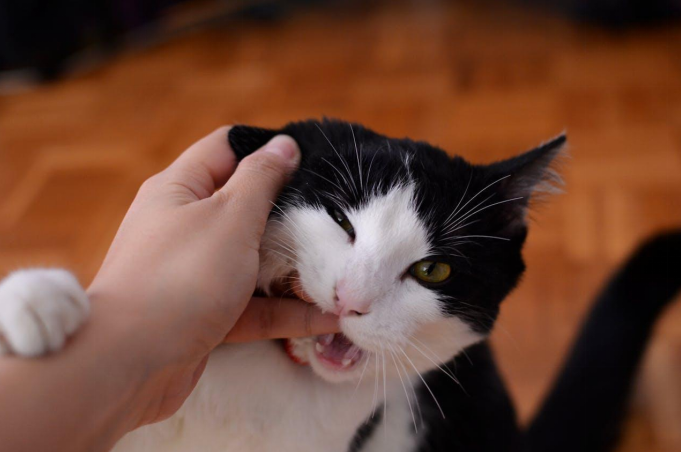
cat biting hand

Introduction

Have you ever wished you could decode your cat's meow — you know, the persistent one or the slow blink — to see what she's trying to tell you? As cat owner, we would love to have a glimpse into their minds and know exactly what they think of us.

Cats may not use human language, but they have a highly developed and sophisticated system of communication that has evolved over thousands of years. Cats can convey a wide range of messages from 'I'm comfortable and relaxed' to 'Get lost or I'll scratch!' via body language, vocalizations, scent marking, and physical contact.

In this article, we will help you understand cat language so that you can develop a strong relationship with your feline friend. We'll cover tail positions, ear movements, meows, and more, and discuss what they all mean.

The Nuances of Cat Body Language
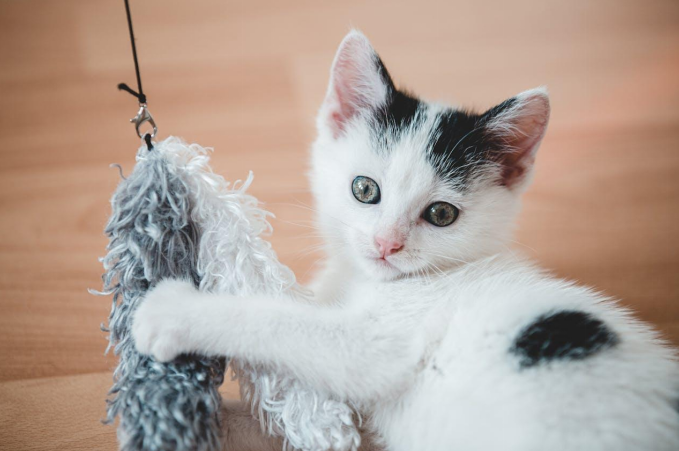
cat playing

Cats mostly communicate with cat body language about their needs, intents, and feelings. Keeping an eye on your cat's moves and facial expressions gives you an idea regarding their state of mind. Now, here are some common body language cues laid out for you:

Tail Talk

Your cat's tail can be a very reliable indicator of their mood and intentions. Some of these key tail signals are:

● Upright tail: An erect tail is a sign of happiness, a relaxed state, and a friendly hello. It could mean ness or interest, too.

● Twitching tail: It is an exciting, disturbing, irritating, or overstimulated sign shown by your cat. It could mean that your cat is annoyed over something.

● Puffed-up tail: An upright furry tail signals fear, aggression, or defensiveness. When a cat gets an upset puffy tail, give it space.

● Low or tucked tail: The tail trending down toward the ground, or tucked between the hind legs, generally indicates fear, submission, sadness, or a desire to be invisible.

● Swaying tail: A playful cat will slowly swing its tail side to side to lure you in before attacking. This is a kind of motion taking a proper aim, like hunting for food. WOpet offers reliable and automatic feeders for your cats so they can get their treats on time.

Ear Expressions

Those fuzzy ears do more than just pick up sound — they actually convey some vital information:

● Ears forward: Ears that are held up and facing forward show interest, attention, ness, and curiosity. Full sensory engagement is signaled by pointy ears straight ahead focused on whatever has managed to catch the cat's attention.

● Ears swiveling: The cat rotates its ears to locate the source of sounds. Swiveling ears mean that your cat is listening very closely to something in the environment.

● Ears flattened: When ears pull back and flatten against the head, it is usually a sign of fear, pain, aggression, or defensiveness. Back away from an irritated cat with ears pinned down.

● Ears twitching: Subtle ear twitching is often a sign of mild annoyance, anxiety, or overstimulation from too much input. You need to walk on eggshells and try not to inundate the cat.

Eye Signals

The cats also tell us much with their alluring eyes:

● Slow blinks: If a cat closes and opens its eyes slowly, it is a gesture of love, trust, and relaxation. Responding to your cat with slow blinking, on the other hand, expresses affection and safety. That is also why people tend to refer to slow blinks as cat kisses.

● Wide, dilated pupils: In the dark, the pupils of the cat are dilated to catch in more light, yet big black pupils can likewise result when psychological changes take place in concern, overstimulation, or an aggressive state.

● Narrowed pupils: Narrowed pupils mean aggression or intense concentration, particularly on prey. They are also seen in bright light, and they help to control the amount of light that enters the eye.

● Direct stare: a fixed stare is an incredibly rude thing among cats (unless it involves two cats who are bonded in which case it is mutual). Do not engage in staring contests with cats you have never met before.

● Avoiding eye contact:  A cat who turns its head away, or closes its eyes to avoid looking directly at the other is signaling submission and deference and an intent to avoid conflict.

Posture and Movement

Further emotional and physical states are revealed by posture and movement:

● Stretch: An extended stretch with the front paws stretched out in front and the butt in the air indicates relaxation and satisfaction. This is typically a form of greeting for cats towards familiar humans.

● Rubbing against legs: To mark their territory, cats rub up against you to leave their familiar scent on you — a sign of affection from your feline friend.

● Kneading: Going back and forth with the front paws — usually on something soft — harkens back to cats nursing from mom. When an adult cat is feeling safe, comfortable, and content it will often knead.

● Back arching: A clear sign of fear and preparation to attack, this position includes an arching back with hair standing on end, and most often hissing. Give them a wide berth.

● Low to the ground: When cats enter a situation where they are uncertain (as in, either they will want to run away or towards something, they recreate themselves as small, hoovering low to the ground as they prepare to freeze or flee. And it's also a frequent hunting stance.

● Hiding: Fleeing in a confined space indicates a lack of safety and that something needs to be protected in order for it to feel secure.

Therefore, observe your cat's body language carefully! As unnoticeable changes can do a lot.

Decoding Cat Vocalizations
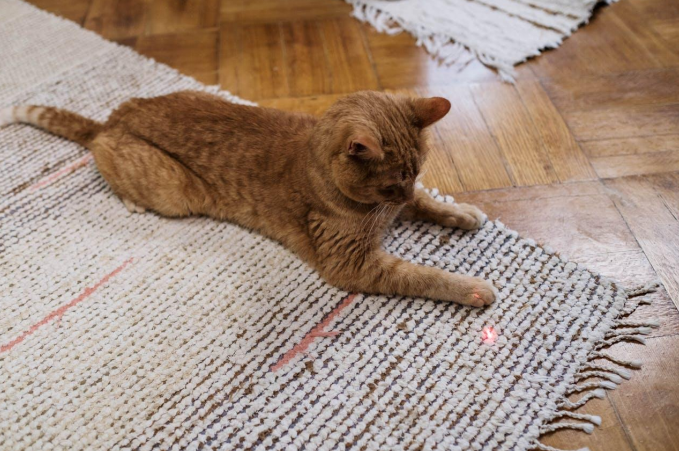
cat playing with laser light

In addition to body language, cats are endowed with a large vocal scale for expressing their needs, mood, and responses. Now, here are the explanations for what some typical cat sounds actually mean:

The Mighty Meow

Even the classic cat meow transmits multiple messages depending on subtle variations in tone, volume, urgency, and inflection. A short, polite meow is a quick, soft sound that is often used as a polite way to say hello, or to simply grab an owner's attention—kind of like saying, 'Hey!'

But an extended, prolonged meow is often a sign your cat needs something right away. This constant cry of aggravation, till the cat gets what he or she desires— most often food or some amusement.

Chattering meow: a sound comprised of a rapid sequence of staccato sounds, indicating excitement, impatience, frustration, and/or mixed emotions. It can be interpreted as: 'Give me — or I want it now.'

The plaintive yowling meow — that loud cry, similar to a human wail, that cats make when they are sore, frightened, or frustrated that something they want or need is beyond their reach. A cat that plops itself down next to you and scratches with its claws and meows like this can often seem cute or funny but it's actually sad and should be petted to calm it.

Like all vocalizations, an angry meow is often laden with body language and consists of low, throbbing sounds. It says only one thing—stay away and get off immediately.

The Soothing Purr

The classic cat purr is a soft, vibrating rumble in the throat. However, did you also know that purring has multiple communicative functions?

The most common type is called pleasure purring and takes place when a feline is relaxed, content, feeling safe, and/or happy. Pleasure purring can be elicited by positive experiences such as petting, feeding, or grooming.

Cats only begin to purr when they are upset, ill, hurt, dying, or about to give birth to babies only purrs to when they are upset, ill, hurt, dying, or preparing to birth babies. Purring releases endorphins, which help to relax and comfort cats in stressful situations.

Soliciting purring is something cats quickly learn: if they purr, the human will often keep petting or continue serving food. Thus cats purr to get more rewards by manipulation — such smart kitties! Even though purring is generally a good sign, it can sometimes be interpreted differently depending on the context in which it occurs.

The Assertive Hiss and Growl

The hiss and the growl — two dark sounds of the cat’s communication. They spray it out through their teeth, making a fierce, hissing noise.

Hissing can be a sign of fear, defensiveness, or warning to strike. Growling occurs when sound is produced deep in the throat, and it is a rumbling that is an active warning device that a cat is preparing to attack.

Growling, similar to hissing, means that the cat wants further annoyance stopped or to be left alone. Know how to interpret these obvious signals of a: 'I'm mad.' Therefore, when faced with hissing and growling, it is better to back off and leave the grumpy cat with plenty of personal space, than to get clawed or bitten! They'll chill out eventually.

Conclusion

The nature of cat language often seems cryptic but cats use a beautifully delicate and profane mixture of body posturing, vocalizations, scents and touch to convey need, intention, limits, and feeling.

By paying attention to the context and meaning of various signaling behaviors that cats use on an almost daily basis, attentive cat guardians can increase a sense of mutual understanding and trust with these wonderful, yet enigmatic pets.

Is your cat hungry and constantly bugging you? Visit WOpet to get a range of automatic feeders!

Resource: Cat Language

Choosing The Right Dog Food For Your Furred Champion: A Comp Guide To Understanding Organic Process Needs And Selecting The Best Diet For Your DogChoosing The Right Dog Food For Your Furred Champion: A Comp Guide To Understanding Organic Process Needs And Selecting The Best Diet For Your Dog

When it comes to taking care of your dog, one of the most meaningful decisions you will make is what to feed them. Just like humanity, dogs require a balanced and alimental diet to exert best health, vitality levels, and seniority. The earthly concern of dog food can be overwhelming with the numerous options available in the market, from dry kibble and transcribed food to raw and home-brewed meals. Understanding the nutritionary needs of your dog and choosing the right food based on their age, multiply, size, and wellness position is key to ensuring that your hirsute keep company lives a long and healthy life.

At the core of a dog’s diet are the requisite nutrients: proteins, fats, carbohydrates, vitamins, and minerals. Protein is especially of import for increment, muscle repair, and overall body sustenance. Dogs, being in the first place carnivores, need a essential total of creature-based protein such as crybaby, beef, or fish. Fat is another indispensable nutrient that provides vim and helps in the soaking up of fat-soluble vitamins like vitamins A, D, E, and K. Carbohydrates are an energy germ, and while dogs do not require as many carbs as humanity, they do profit from a moderate amount of grains, vegetables, and fruits, which also cater fibre and antioxidants.

Vitamins and minerals are requisite for various physical functions, including bone health, immune system of rules support, and skin health. It’s important that 生肉狗糧 includes the right poise of these nutrients. Many high-quality commercial dog foods are specially developed to meet these needs, but it’s fundamental to select food that is appropriate for your dog’s life represent, multiply, and health .

Puppies, for example, need food that supports increase and development, with high protein and fat content to fuel their speedily maturation bodies. Adult dogs, on the other hand, require a more equal diet to maintain their angle and vitality levels. Senior dogs may benefit from a diet turn down in calories and fat to keep corpulency, with joint subscribe ingredients such as glucosamine and chondroitin to help with arthritis and mobility issues. If your dog has specialized wellness concerns, such as allergies, digestive issues, or kidney , it may want a specialized diet tailored to its condition.

When choosing dog food, you can take from different types: dry kibble, canned food, and recently or raw food. Dry kibble is convenient, cost-effective, and can help maintain dental wellness by reducing brass buildup. Canned food tends to be more comestible and may be a good selection for fastidious eaters or dogs with dental consonant issues, though it is often more dear. Fresh or raw food diets are gaining popularity among dog owners, but they want more training and careful treatment to keep off bacterial taint.

It’s also crucial to look at the ingredients list and biological process depth psychology when selecting dog food. Avoid foods with fillers such as corn, soy, and painted preservatives, which may not volunteer much organic process value. Instead, opt for foods that list high-quality meat as the first fixings and contain whole food sources of carbohydrates and vegetables.

Ultimately, the best dog food for your pet will calculate on their person needs, preferences, and lifestyle. Regularly consulting with your veterinarian and adjusting their diet supported on changes in their wellness or natural action levels will help see to it they welcome the best aliment possible. Properly feeding your dog is one of the most romantic and responsible for ways to show you care for their well-being, so take the time to select wisely.

Can Cats Drink Milk? The Truth About Feline Lactose IntoleranceCan Cats Drink Milk? The Truth About Feline Lactose Intolerance

Introduction

Spending an afternoon nap with your cat becomes perfect when warm sunlight streams into the room alongside their peaceful body placement next to you. You prepare a glass of milk then your cat suddenly rises from their rest to drink from the small dish of milk you offer them.

Throughout our lives, we have seen this particular scenario multiple times in written stories books as well as cartoons. The impression exists that cats should have milk as an ideal companion.

But is that really the case? Can cats drink milk without health risks, or is it just a myth passed down through generations?

Man has long believed milk serves as a special reward that both cat owners and their pets would appreciate. The actual situation proves to be intricate in nature.

Most cats will drink milk because of its tasty flavor but their digestive systems cannot process the lactose effectively. The reason behind this lies in the condition of lactose intolerance.

By understanding lactose intolerance you will be able to select proper food choices that protect your cat from digestive health problems. In this article, we explain how cats require nutrition and if milk serves any dietary function for them.

The Nutritional Needs of Cats

When uating a cat's dietary needs, many still ask: Can cats drink milk as part of their routine? As obligate carnivores cats need to consume animal proteins to live since their bodies cannot survive on any other nutrients. Evolution has transformed cats into meat-driven animals because their biological makeup demands such a food source.

Their body design allows them to digest proteins along with specific fats and limited nutrition elements that exist only in animal flesh.

Cats require taurine as their vital amino acid since it serves essential roles for maintaining their heart condition and eyesight alongside reproductive activities. Since taurine production falls short in cats their meal choice of mainly meat provides the necessary nutrient intake.

WOpet Ceramic Wireless Pet Water Fountain

Feline nutritional requirements also include arachidonic acid (a fatty acid) together with vitamin A and vitamin B12 which can only be found in animal sources.

The dietary requirements of carbohydrates for cats exist at minimal levels. Human bodies differ from feline bodies because cats do not need carbohydrates to obtain their energy. Cats need protein and fat as their main fuel sources when processing nutrients for energy production.

The role of milk stands unclear when looking at these dietary requirements. The indulgence of milk by cats remains an unproductive dietary choice because they require different essential nutrients than what milk offers.

To fulfill the nutritional needs of your cat, you should get one of the WOpet’s automatic feeders.

The Lactose Intolerance Issue in Adult Cats

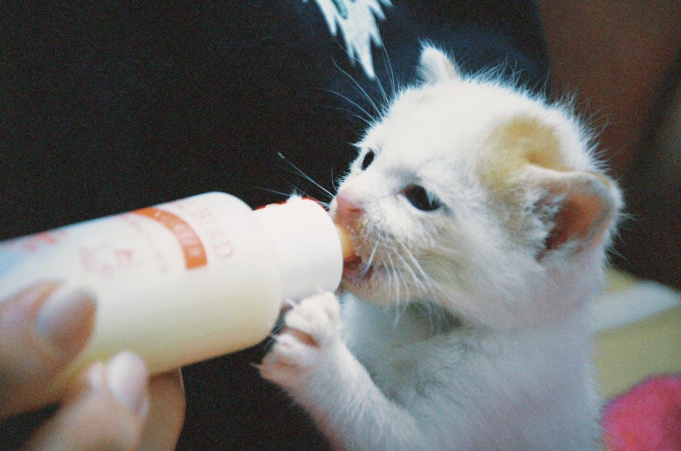
kitten drinking milk from the bottle

A key reason to ask 'Can cats drink milk' is understanding their decreasing lactase production after kittenhood. The reason milk is unsuitable for your pet cat extends from lactose as an element in milk. The natural sugar compound known as lactose exists in milk as a natural substance.

Two smaller sugar compounds compose the molecule known as lactose: glucose and galactose make up this substance. The digestion of lactose needs the enzyme lactase to break down the sugar because bodies lack this ability.

All cats possess the natural enzyme needed to break down the milk sugar lactose. The production of lactase in the body becomes abundant while kittens breastfeed.

The enzyme present in their bodies enables kittens to break down lactose found in maternal milk which allows them to absorb essential nutrients during initial weeks of life.

A cat’s body starts decreasing lactase production at the end of weaning around 6 to 8 weeks of age. The reduction of lactase production at this stage of life constitutes typical and normal development. A mother's milk-drinking period ends because cats no longer require large lactase levels to digest dairy products.

The absence of sufficient lactase in adult cats causes lactose intolerance to develop whenever they consume dairy products and milk. The digestive system of such animals becomes unable to break down the lactose contained in milk.

The lactose which the body has not broken down stays inside the intestines while pulling water and starting to ferment. The absence of lactase in the system results in multiple uncomfortable symptoms that appear.

Lactose-intolerant cats show symptoms of vomiting, diarrhea, and stomach discomfort together with gas and bloating. The reaction levels to milk differ between cats because some experience minor symptoms yet others face major symptoms. Lactose sensitivity levels alongside the quantity of milk consumption determine the extent of symptoms that develop in affected cats.

Why the Misconception About Cats and Milk?

The long-standing belief that can cats drink milk is often fueled by pop culture, not science. The fact that milk proves harmful for felines makes it puzzling why humans consistently believe it benefits their cats.

Through multiple generations, people have accepted that milk plays an important role in cats' well-being. The popular representation of cats enjoying bowl milk appears in animated cartoons classic films and various children's literature.

People who dwelled on farms together with barn cats regularly shared their milk supplies with their feline companions during the previous era. The animal owners considered this dairy-top cream as a special snack for their barn cats who probably enjoyed it.

The availability of milk together with its convenience as a food source was typical during those times. The health benefits for the cats did not justify the use of milk as their preferred nourishment.

The combination of milk smell and its fatty content attracts feline animals. Cat owners often provide milk to their animals although their pets cannot fully grasp the difficult digestion process which leads them to prefer its attractive smell and taste.

The natural attraction between cats and milk likely contributed to maintaining the belief that milk is a preferred snack.

The Impact of Different Types of Milk on Cats

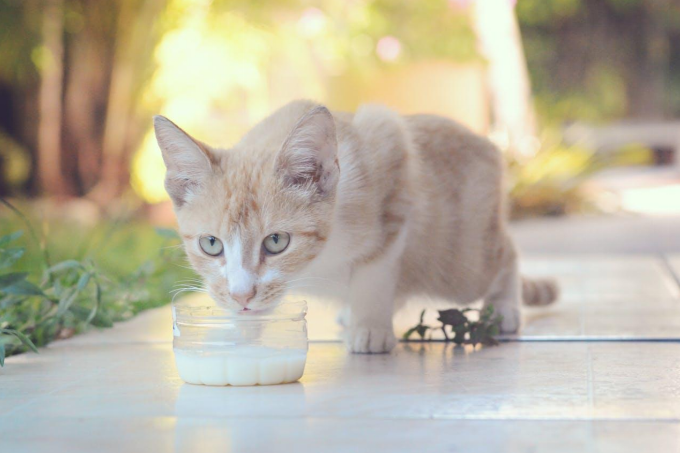
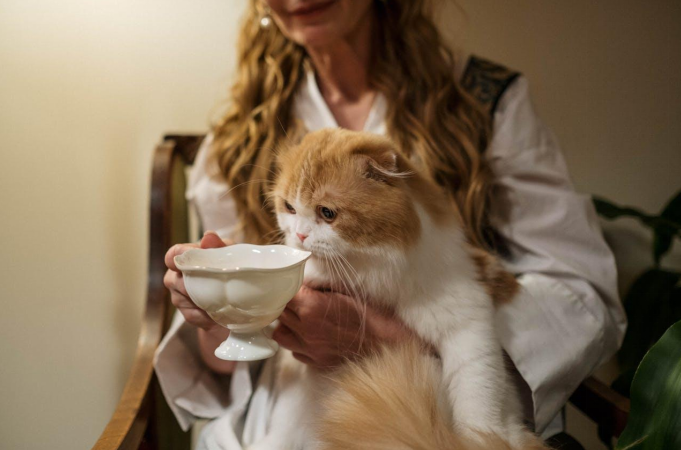
cat drinking milk from the cup

Before you pour a bowl, consider this: Can cats drink milk from cows without digestive issues? Each milk product comes with unique characteristics yet adult cats should avoid some types that pose potential dangers for their health. An uation of different types of milk together with their effects on feline bodies requires deeper examination.

Among the milk options available to humans Cow’s Milk stands as the primary choice and exists with three different fat concentrations: whole, 2%, and skim.

Both whole and skim cow's milk along with other versions contain high lactose levels which create digestion problems for adult feline bodies. Small portions of milk cause digestive issues and diarrhea in feline stomachs.

People tend to view Goat's Milk as a nutritious replacement for normal dairy milk. The lactose content of goat's milk remains lower than in cow's milk while some cats might tolerate it better when consumed.

The small amount of difference between lactose levels does not provide sufficient safety for most feline digestive systems. Even so, the milk carries potential risks for digestive upset in adult cats.

Animal milk such as sheep's milk together with goat's milk contain lactose quantities resembling those in cow's milk. The result of these unsuitable milk options will trigger identical symptoms affecting adult cats.

Lactose-Free Cow’s Milk presents itself as an apparent risk-free alternative to regular milk. Building or removing lactose from animal milk solutions reduces its ability to trigger digestive distress in felines.

Specialty pet stores stock lactose-free cat-friendly milk for purchase to pet owners. These milk options are better alternatives compared to regular products but fall short of optimal standards.

Safe and Healthy Alternatives to Milk for Cats

Even with lactose removed, the question remains—can cats drink milk alternatives and still stay healthy?

The top pick for your cat should always be water that is fresh and without contamination. Your cat must have continuous access to the water source. You should use either pet water fountains or regular bowl cleaning because cats demonstrate selective behavior regarding their water consumptions. Regular maintenance ensures higher water consumption.

WOpet Basin Pet Water Fountain

The moisturization needs of your cat can be met sufficiently by providing wet cat food. The meal offers both rich fluid content and full nutritional value. The product is a superior hydration and health choice compared to giving your cat milk.

You can find healthy but appetizing treats designed for cats in the market that use safe ingredients. Selected cat treats feature creamy textures that replicate milk experience yet lack the digestive problems.

Small pieces of basic cooked fish or meat can be an appropriate food option for your cat as long as seasonings and sauces are excluded. The foods match their natural food intake better while providing gentler stomach conditions.

Conclusion

The answer to 'Can cats drink milk' is mostly no—prioritize safe hydration and species-appropriate nutrition instead.

Most adult cats cannot safely drink milk even though many people view cats sipping milk as a soft and recognizable sight. Cats commonly cannot process lactose properly thus milk intake triggers unfavorable gastrointestinal reactions.

Your cat should receive fresh water and nutritionally complete food together with explicitly designed cat treats rather than receiving milk. Choosing proper food supplements alongside water will help your cat maintain their health without causing discomfort.

The begging eyes your cat shows during cereal time only proves that they need proper food designed for their unique digestive system. The foundation of achieving cat health stems from fully comprehending their genuine dietary requirements together with their non-nutritional elements.

ResourceCan Cats Drink Milk