
A room can feel incomplete even when the furniture, colors, and lighting are carefully selected. Often, the missing element is something that creates emotion, depth, and personality.
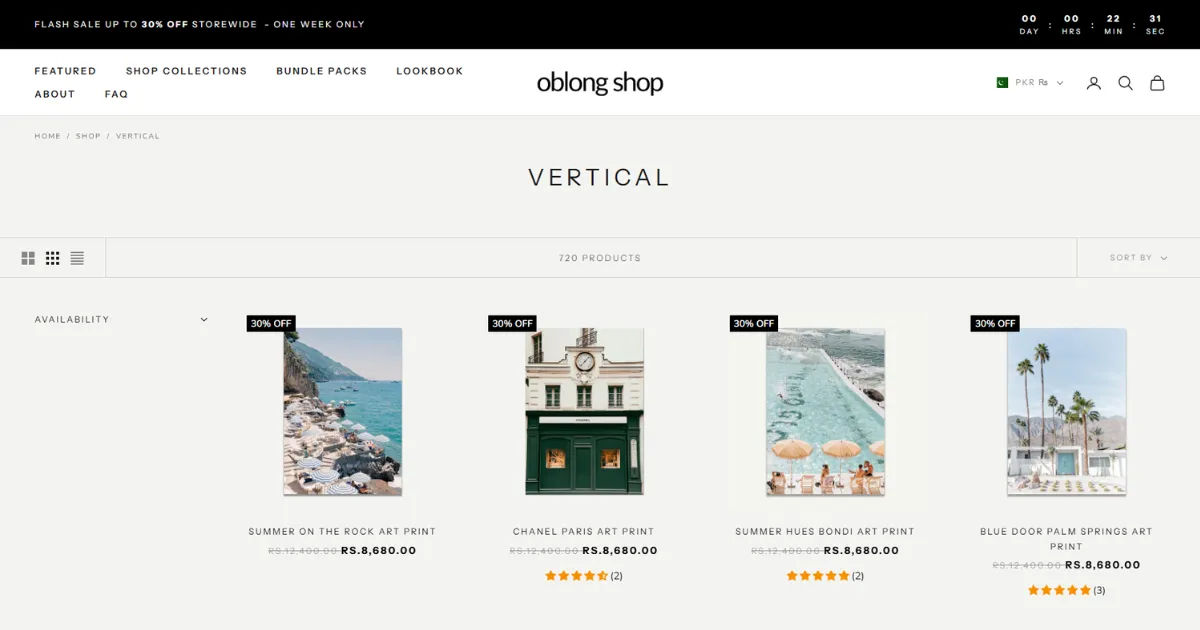
This is where vertical art becomes an important design choice. Unlike flat decorations, textured pieces bring a sense of movement and visual interest that can completely change the atmosphere of a space.
Textured wall pieces add more than beauty. They introduce layers, patterns, and surfaces that invite people to look closer. Whether used in a living room, bedroom, office, or hallway, textured artwork can transform an ordinary wall into a meaningful focal point.
The unique appeal of textured vertical art comes from its ability to combine artistic expression with interior design. It does not simply fill empty wall space; it creates character by adding depth, warmth, and a personal touch to the environment.
Textured Vertical Art
Textured vertical art refers to artwork designed with raised surfaces, materials, or three-dimensional elements that create a noticeable physical texture. Instead of relying only on painted colors or printed images, these pieces use different techniques to create a richer visual experience.
Artists may use materials such as wood, fabric, metal, plaster, clay, fibers, or layered paint to create texture. These materials allow the artwork to interact with light differently throughout the day, producing shadows and highlights that make the piece feel alive.
The vertical format adds another advantage. Because the artwork extends upward, it naturally draws attention and can make walls appear taller. This makes it especially useful in rooms with limited horizontal space or high ceilings.
How Texture Creates Visual Depth
One of the biggest ways textured artwork adds character is by creating depth. Flat walls often appear plain because they lack dimension. A textured piece introduces layers that make the viewer feel connected to the artwork.
When light touches raised surfaces, it creates small shadows and variations. These changes make the artwork appear different from different angles. The result is a dynamic feature that continues to attract attention over time.
A carefully selected textured piece can become the center of a room. Instead of simply decorating a space, it creates a conversation point and gives the room a stronger identity.
Adding Personality to Interior Spaces
Every room tells a story. Furniture choices, colors, and decorations reflect personal style, but artwork often creates the strongest emotional connection. Textured designs allow homeowners and designers to express creativity in a more unique way.
Minimal spaces can benefit from textured pieces because they add character without requiring many additional decorations. A simple room with neutral furniture can feel more complete when a carefully designed artwork introduces contrast and artistic detail.
For modern interiors, textured vertical art can provide a balance between simplicity and creativity. It prevents clean designs from feeling cold by adding warmth and handmade qualities.
Creating a Strong Focal Point
A focal point is an area that naturally attracts attention when someone enters a room. Without a focal point, a space may feel disconnected or unfinished.
Large artwork placed on a feature wall can immediately establish visual importance. Textured vertical art works especially well because its raised surfaces encourage people to observe details.
For example, a textured piece above a sofa can become the main attraction in a living room. In an office, it can create a professional yet creative environment. In a bedroom, it can add a calming and sophisticated feeling.
The right artwork does not compete with other elements in the room. Instead, it connects different design features together.
Enhancing Different Interior Styles
One reason textured artwork is popular is its flexibility. It can complement many different interior styles, from traditional homes to contemporary spaces.
In modern interiors, textured pieces with simple patterns and neutral tones can create an elegant appearance. They add interest while maintaining a clean design approach.
For rustic spaces, natural materials such as wood or woven fibers can create a warm and comfortable atmosphere. These textures bring an organic feeling that connects the interior with nature.
Luxury interiors often use detailed textures to create sophistication. Metallic finishes, layered surfaces, and artistic patterns can add a premium appearance without overwhelming the room.
Improving the Feeling of Space
Artwork placement can influence how people experience a room. Vertical designs naturally guide the eyes upward, creating the impression of height.
This makes vertical art especially valuable in apartments, narrow rooms, and areas with smaller walls. A tall artwork can make the ceiling feel higher and the overall space feel more open.
The texture adds another layer of visual expansion. Instead of seeing a simple wall, viewers see depth and dimension, which makes the environment feel more interesting.
Choosing the Right Textured Artwork
Selecting the right piece requires considering several factors, including room size, color scheme, lighting, and personal taste.
The artwork should complement existing furniture rather than appear disconnected. Consider the colors already present in the room and choose textures that support the overall design theme.
Size is also important. A small piece may disappear on a large wall, while an oversized piece may dominate a small area. The goal is to create balance.
Lighting should also be considered because textured surfaces depend heavily on shadows and highlights. Natural light or carefully positioned lamps can enhance the artwork’s details.
The Emotional Impact of Textured Designs
Art affects emotions, and texture strengthens that connection. Smooth surfaces may create a calm feeling, while bold textures can add energy and excitement.
A room with textured artwork often feels more personal because the piece appears handcrafted and unique. Unlike mass-produced decorations, textured designs often carry a sense of creativity and individuality.
This emotional quality is one reason many people choose textured artwork when they want their homes to feel more comfortable and expressive.
Why Handmade Texture Matters
Handmade artwork often has small imperfections that make each piece different. These details create authenticity and give the artwork a stronger personality.
Machine-produced decorations may look attractive, but handmade textured pieces often provide a deeper connection. The visible layers, patterns, and craftsmanship show the effort behind the creation.
For people who want meaningful decoration, handmade vertical art offers both visual beauty and artistic value.
Maintaining Textured Artwork
Although textured pieces are durable, proper care helps maintain their appearance. Dust should be removed gently using a soft cloth or brush.
Avoid using harsh cleaning products because they may damage delicate materials. Artwork should also be protected from excessive moisture and direct sunlight if the materials are sensitive.
With proper maintenance, textured artwork can remain a beautiful feature for many years.
Conclusion
Textured artwork has the power to transform ordinary walls into expressive design features. By adding depth, dimension, and personality, it helps create spaces that feel more complete and visually engaging.
The combination of physical texture and vertical placement makes this style especially effective for modern interiors. It attracts attention, improves the sense of space, and provides a unique way to showcase personal taste.
Choosing the right piece requires understanding the room’s style, proportions, and atmosphere. When selected carefully, textured vertical art does more than decorate a wall. It creates emotion, tells a story, and gives a space its own identity.
Whether used in a home, workplace, or creative environment, textured designs remain a powerful way to add character and lasting beauty.