
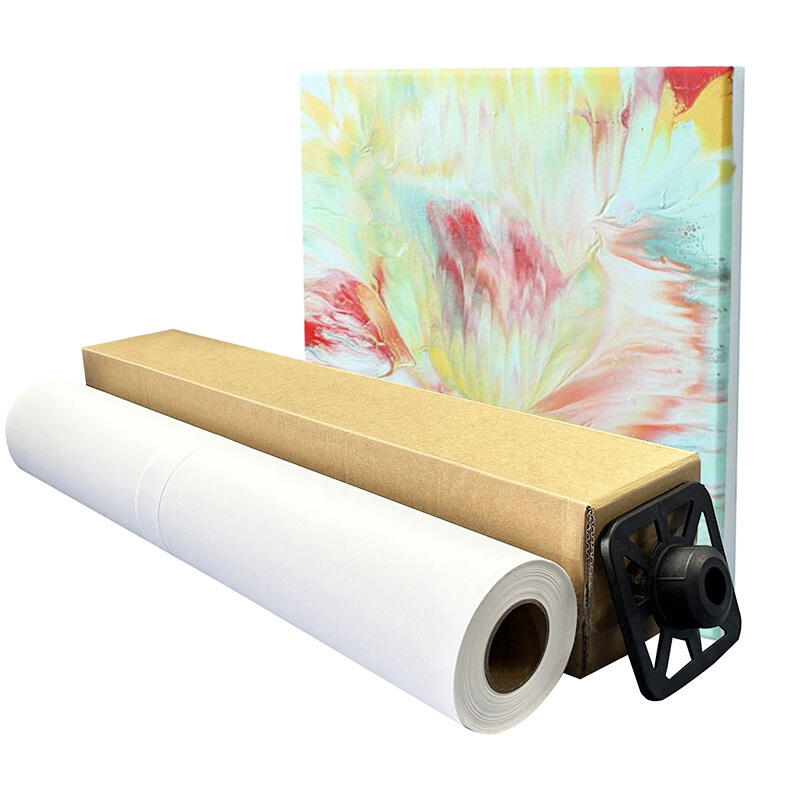
In today’s fast-paced business environment, having the right digital printing system can make a significant difference in the quality, speed, and cost-effectiveness of your printing operations. Whether you are a small business owner looking to enhance your marketing materials or a larger organization aiming to streamline production, choosing the right digital printing system is crucial. This guide will help you navigate the essential considerations in selecting the best system for your business needs.
Understanding Digital Printing Systems
Digital printing refers to the process of printing digital-based images directly onto various surfaces or substrates. Unlike traditional printing methods, such as offset printing, digital printing does not require the use of physical plates, making it ideal for short-run printing, customization, and on-demand jobs. Digital printing systems can be used for a wide range of applications, including brochures, business cards, banners, promotional items, packaging, and more.
Key Factors to Consider
1. Print Volume and Speed
The first thing to consider when selecting a digital printing system is your expected print volume. If you require high-volume printing for mass production, you will need a machine that can handle large quantities with efficiency and speed. On the other hand, if your business demands low-volume, on-demand prints, a system with a slower speed but superior quality may be ideal.
Print speed is often measured in pages per minute (PPM) or images per minute (IPM), and choosing a system that matches your output requirements is vital to maintaining operational efficiency. For high-output businesses, investing in a production-grade digital press will help keep your turnaround times short.
2. Print Quality
Print quality is a top priority for most businesses. Whether you are printing marketing materials, product packaging, or internal documents, the clarity, color accuracy, and sharpness of your prints are crucial. Look for a printing system that offers high resolution (measured in DPI – dots per inch) and excellent color reproduction capabilities.
For businesses in industries like photography, graphic design, or packaging, where detail and color accuracy are paramount, investing in a system that offers superior image quality is essential. Consider systems that provide options for color calibration, as this ensures consistent quality across print jobs.
3. Flexibility and Media Support
Digital printers vary in the types of media they can handle. Some systems are versatile enough to print on a range of substrates, such as glossy paper, cardboard, fabric, vinyl, and even plastic. If your business requires flexibility in terms of printing on different materials, make sure the system you choose is compatible with your needs.
Consider the maximum size of media the printer can handle as well. If you need to print larger formats such as posters or banners, choosing a system capable of printing on larger paper sizes is necessary.
4. Cost and Return on Investment
While digital printing systems offer numerous advantages, they come with upfront costs. When determining your budget, take into account the total cost of ownership, which includes not only the initial purchase price but also ongoing maintenance, ink or toner costs, and any potential service fees.
Look for systems that offer good return on investment (ROI). A more expensive machine may pay off in the long term if it offers higher productivity, lower per-unit printing costs, or advanced features that reduce waste and improve efficiency.
5. Support and Maintenance
Reliability and support are crucial for the longevity of your digital printing system. Ensure that the supplier offers comprehensive after-sales support, including technical assistance, training, and maintenance services. Regular maintenance can prevent downtime and extend the life of your printer, making it essential for smooth business operations.
Types of Window Film s
Several types of digital printing systems are available, each suited to different business needs:
-
Inkjet Printers: Ideal for high-quality prints and versatility in material usage. Inkjet printers are suitable for both low and medium-volume businesses.
-
Laser Printers: Best for high-volume, fast printing jobs with lower cost per print. They are well-suited for offices and businesses focused on printing documents and promotional materials.
-
Production Printers: High-end machines designed for large-scale production printing, often used by commercial print shops or large businesses with high output requirements.
Conclusion
Selecting the right digital printing system for your business requires careful consideration of factors such as print volume, quality, speed, media compatibility, and cost. By thoroughly assessing your business needs and understanding the different types of printing systems available, you can make a well-informed decision that will enhance your operations and support your long-term goals. Ultimately, the right digital printing system will not only improve efficiency and product quality but also help drive business growth.